Me and dad managed to lighten my otter picture taken earlier in the year in Scotland. Now you can see the otters fur better.
My birthday was in October and i had a really good time. I had a bagpipe chanter and lots of cool presents. A ferret named Moraig came to stay with us for a week.
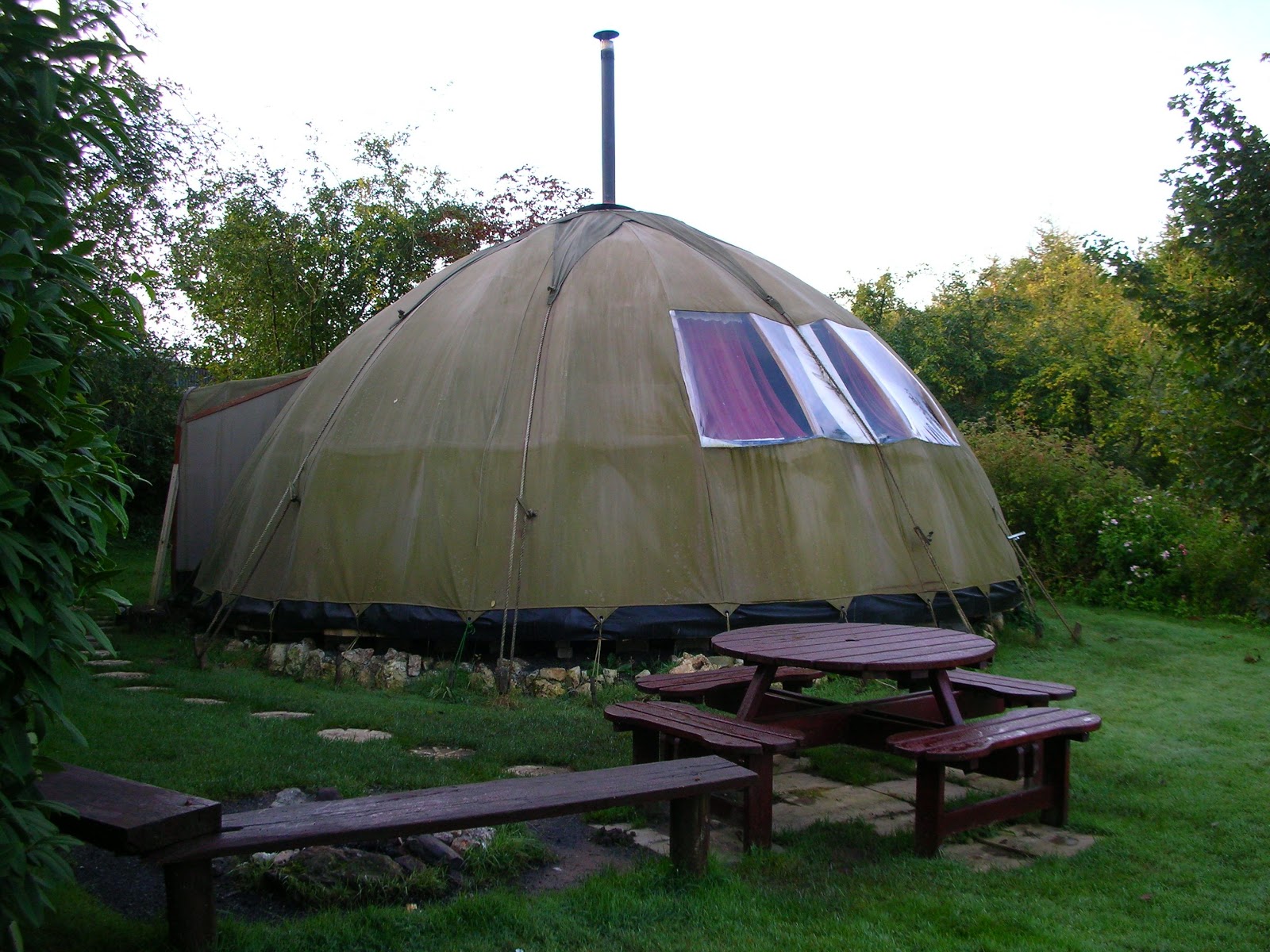
As part of my birthday treat we went to west wales and stayed in a yurt which is a type of tent. It had a fire inside that we cooked sausages on. It was really cosy. This is the place we stayed at
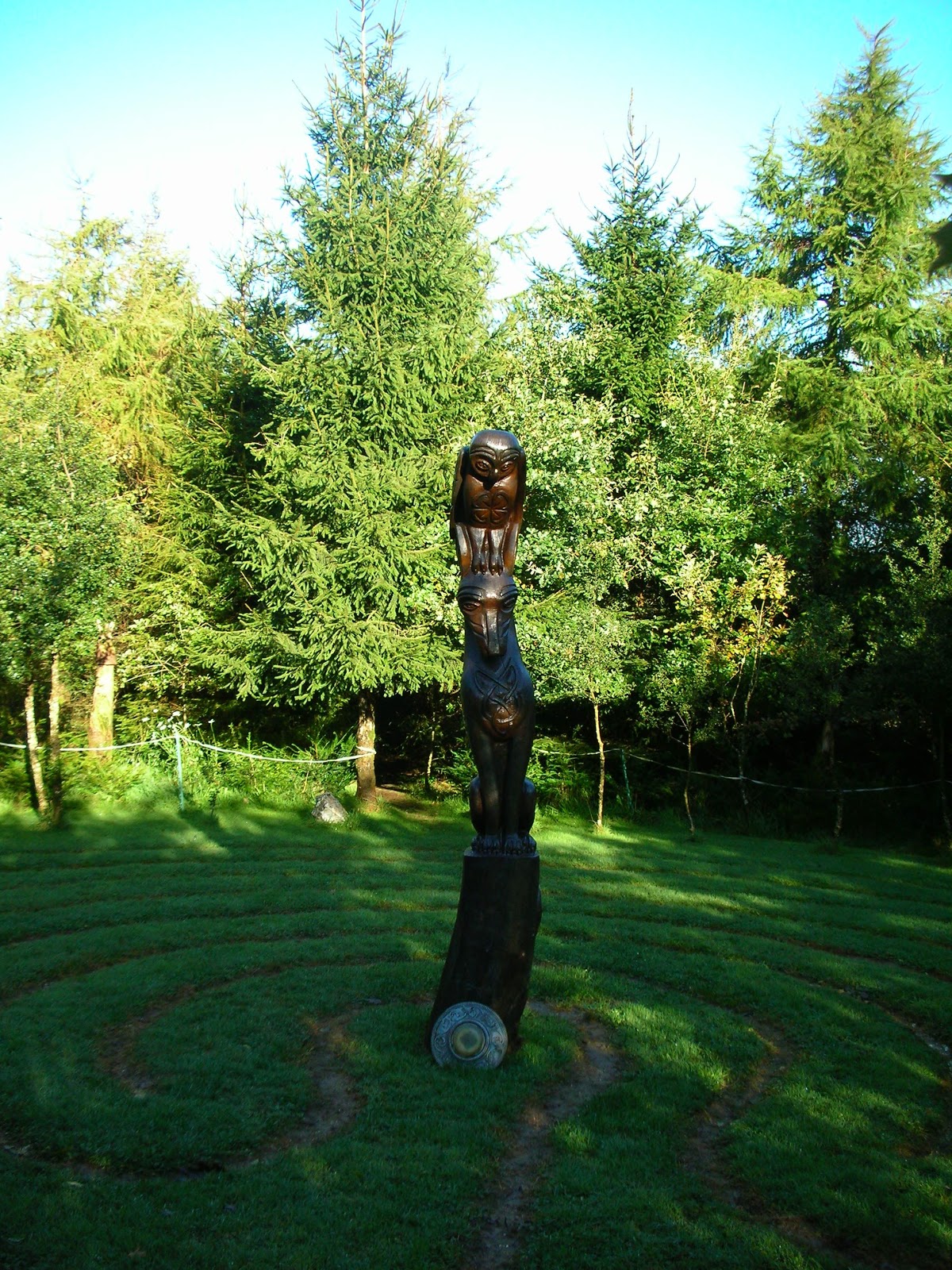
http://www.larkhilltipis.co.uk/ it had its own woods which you could walk around in and some cool wood carvings.
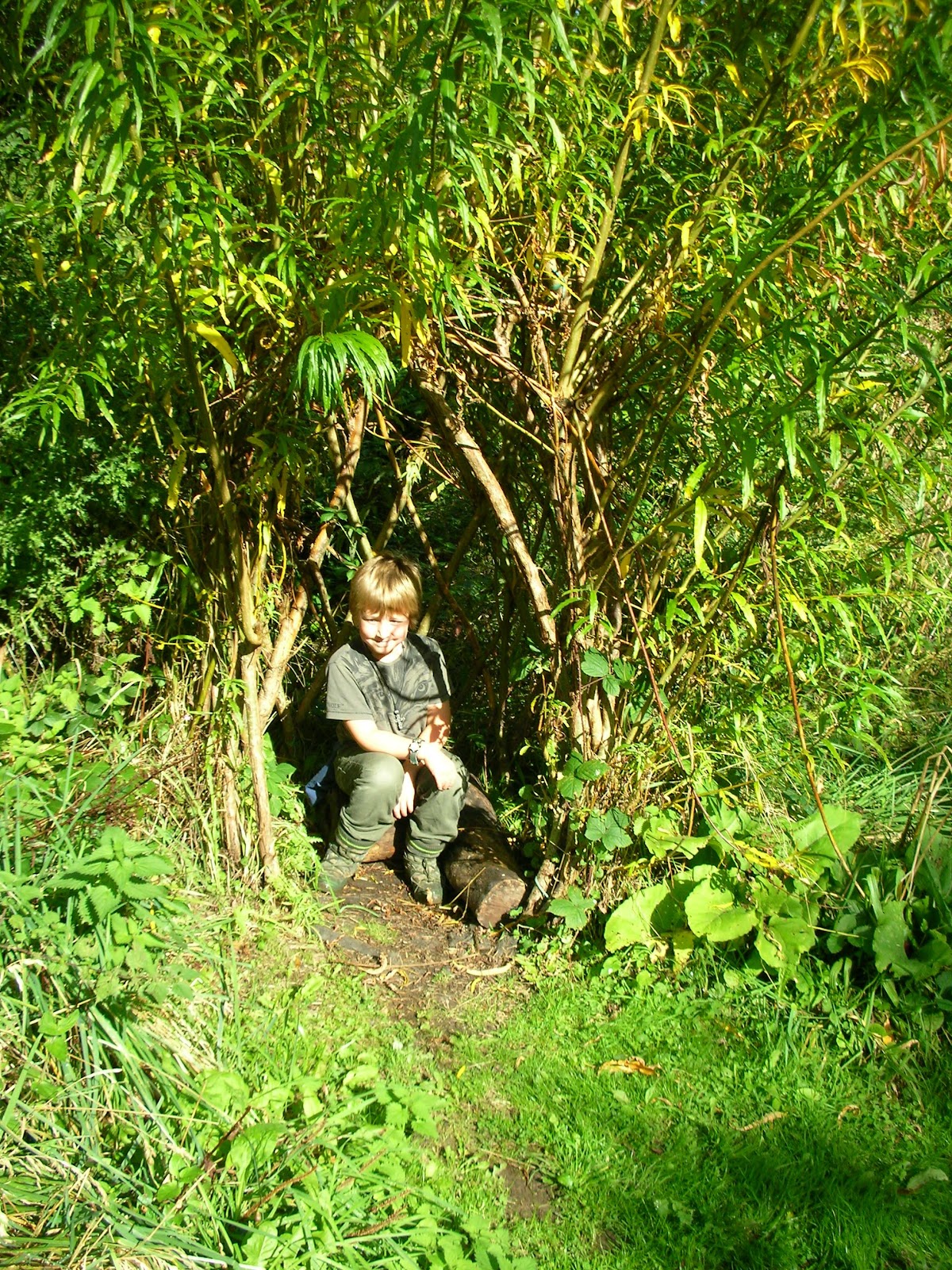
Our Tent
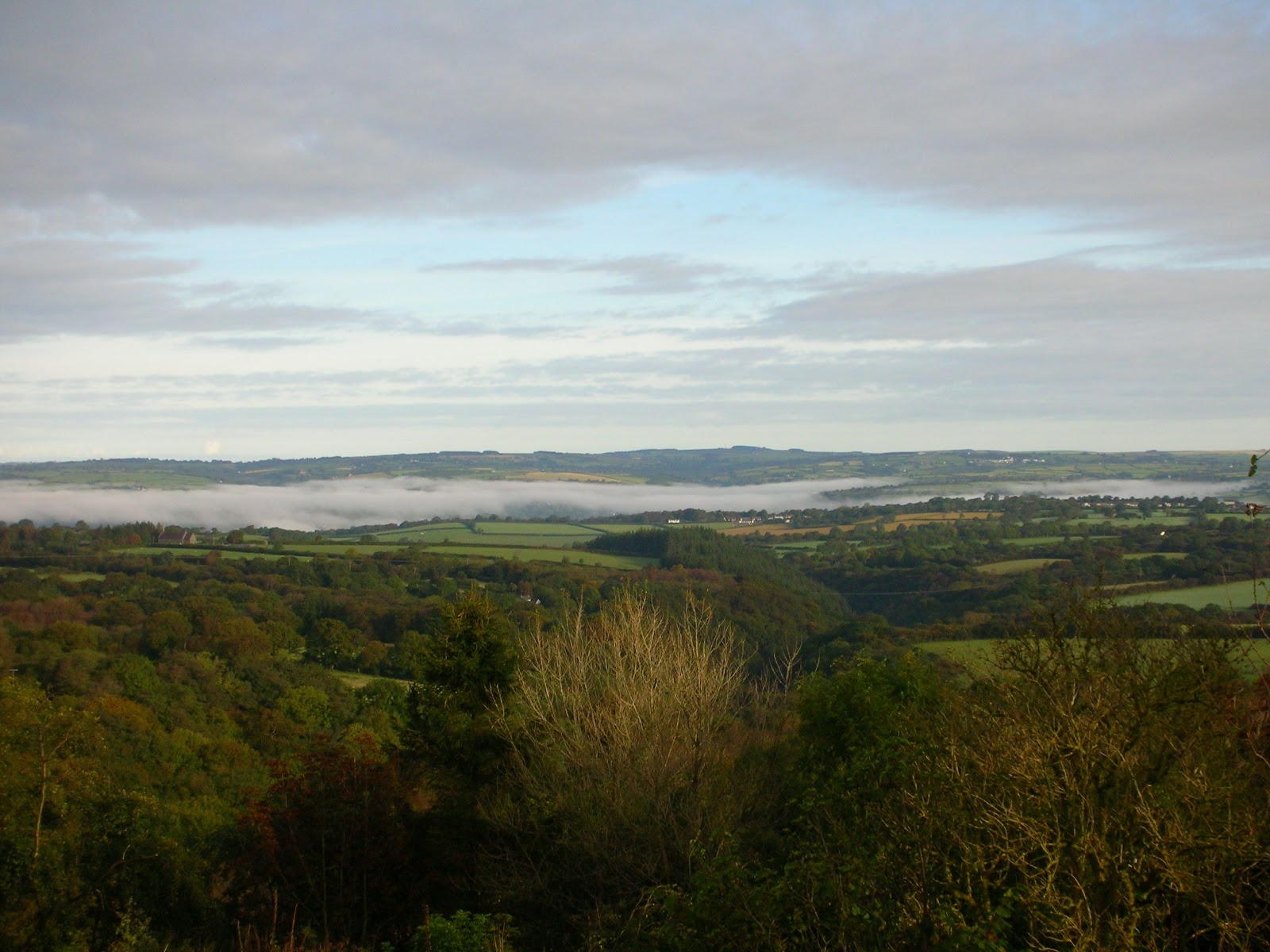
The view from the window
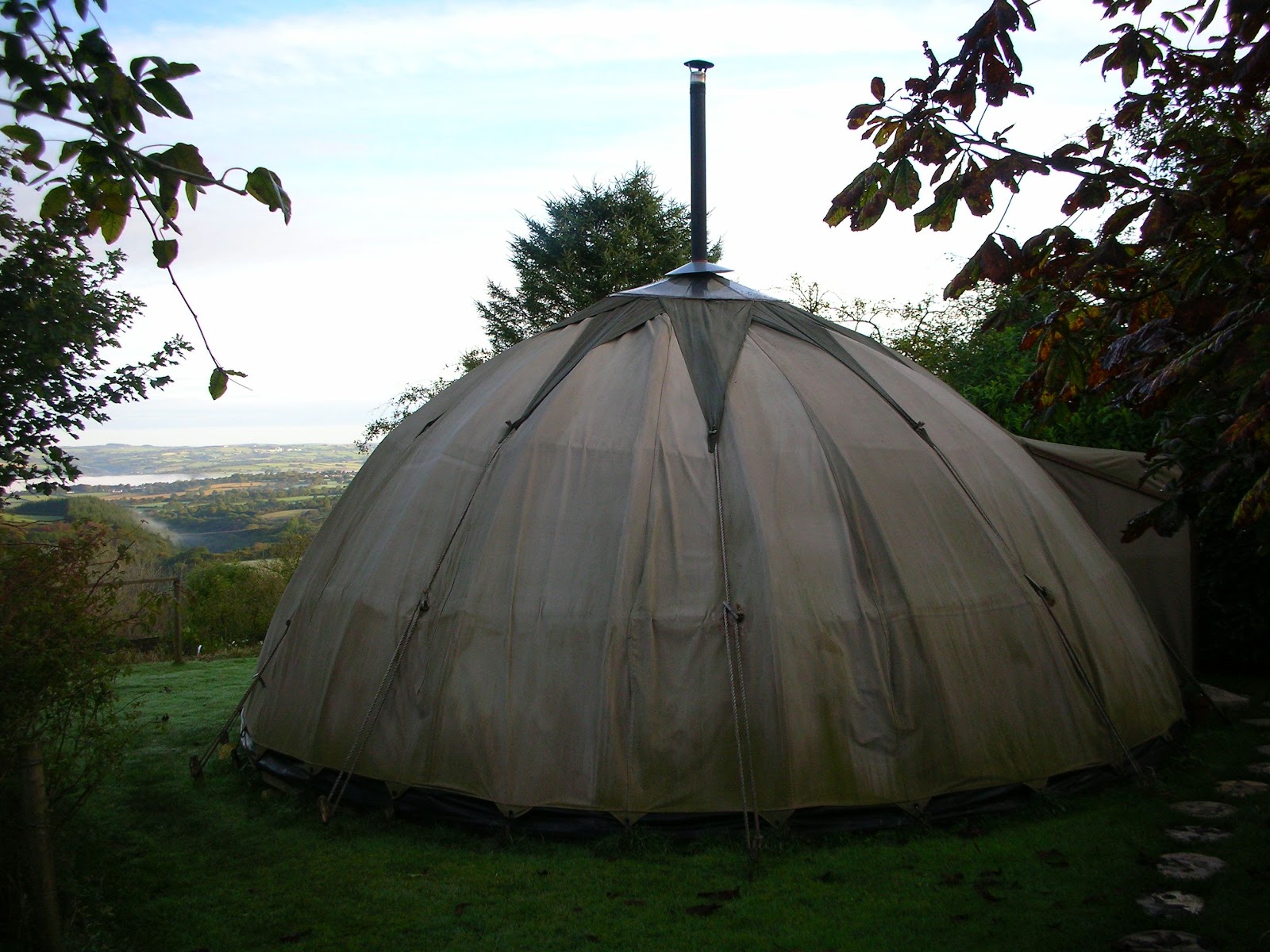
Cold outside, cosy inside
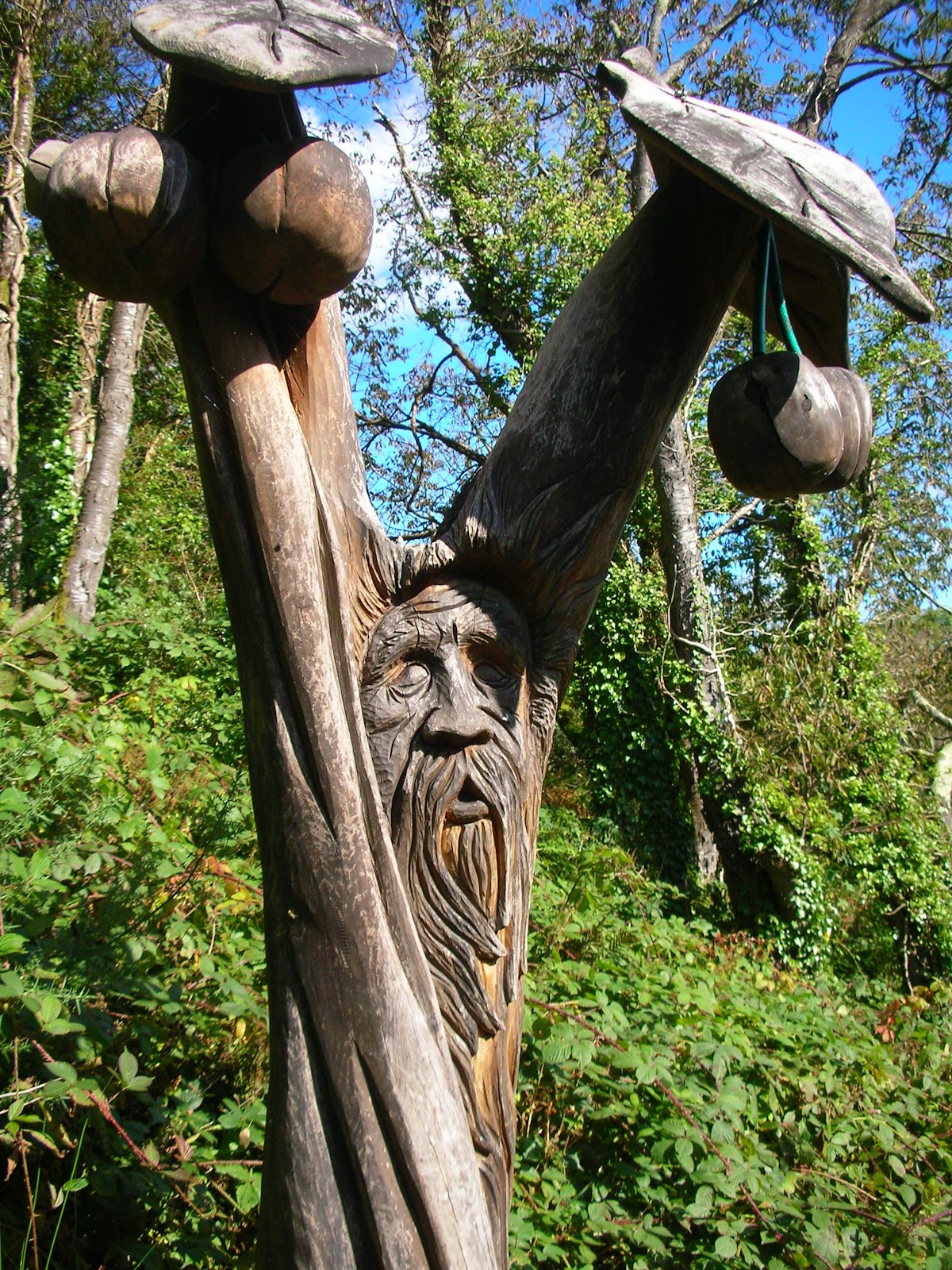
Carved Owl on top of totem pole
Tea cooking on the stove
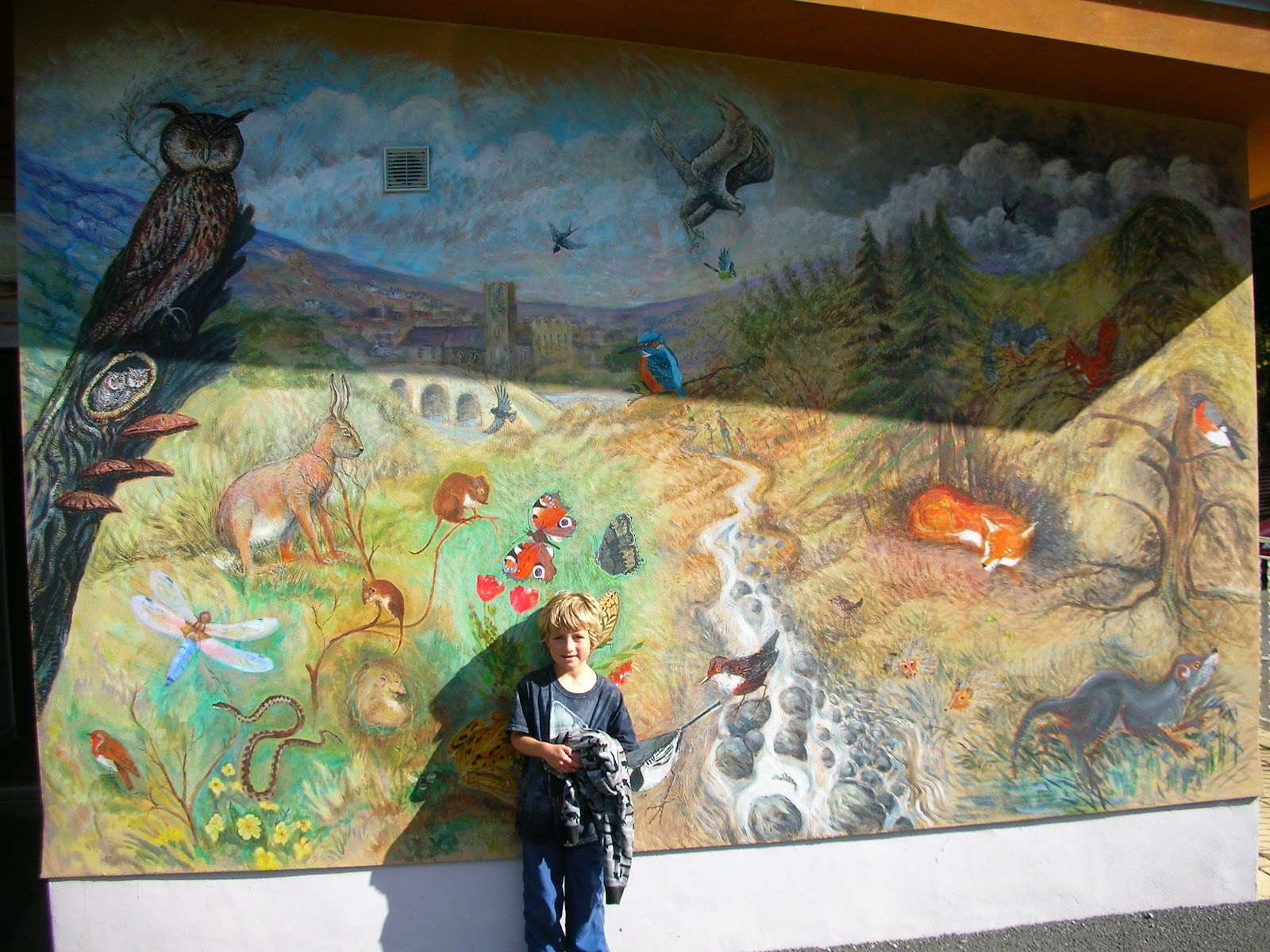
We went to the Welsh Wildlife Centre (
http://www.welshwildlife.org/) It was a really cool place but the weather was not very good so we didn't see much.
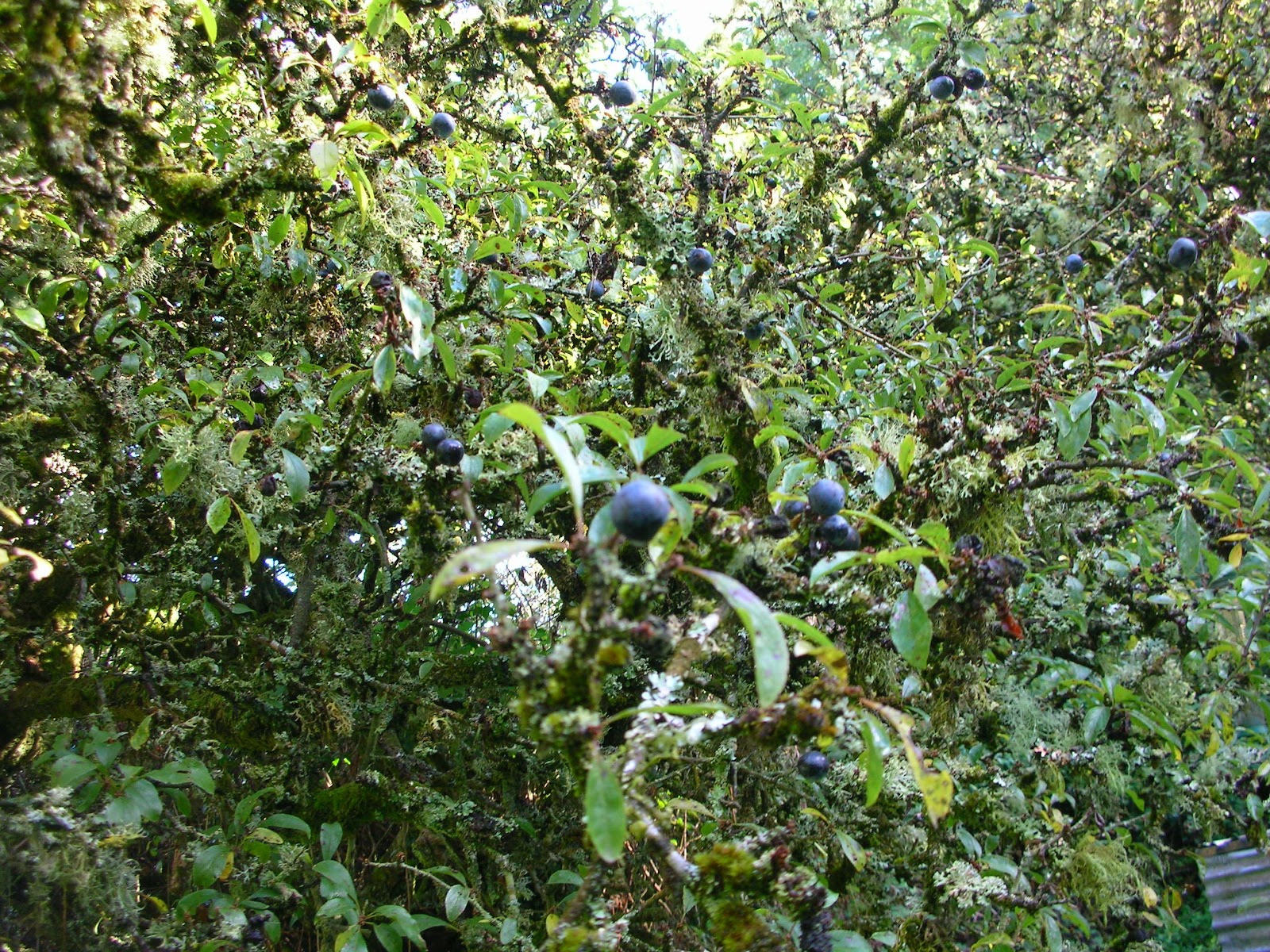
Sloes, the fruits of the Blackthorn tree
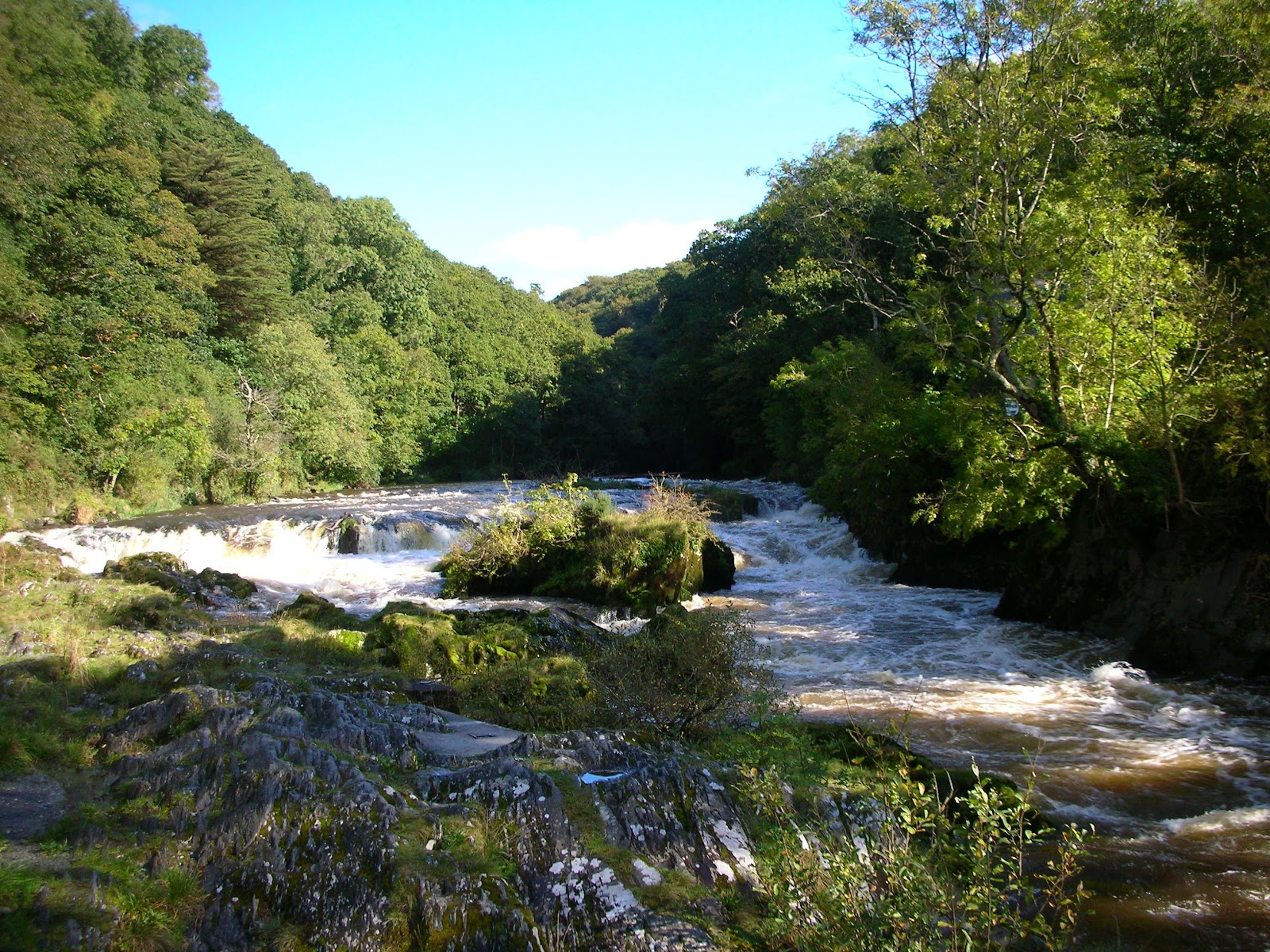
On the way back to the tent we stopped at Cenarth Falls to try to see salmon jumping up the waterfalls but we were unlucky. A fisherman nearly caught a big salmon but luckily it got away. We were watching his fishing rod bend right over.
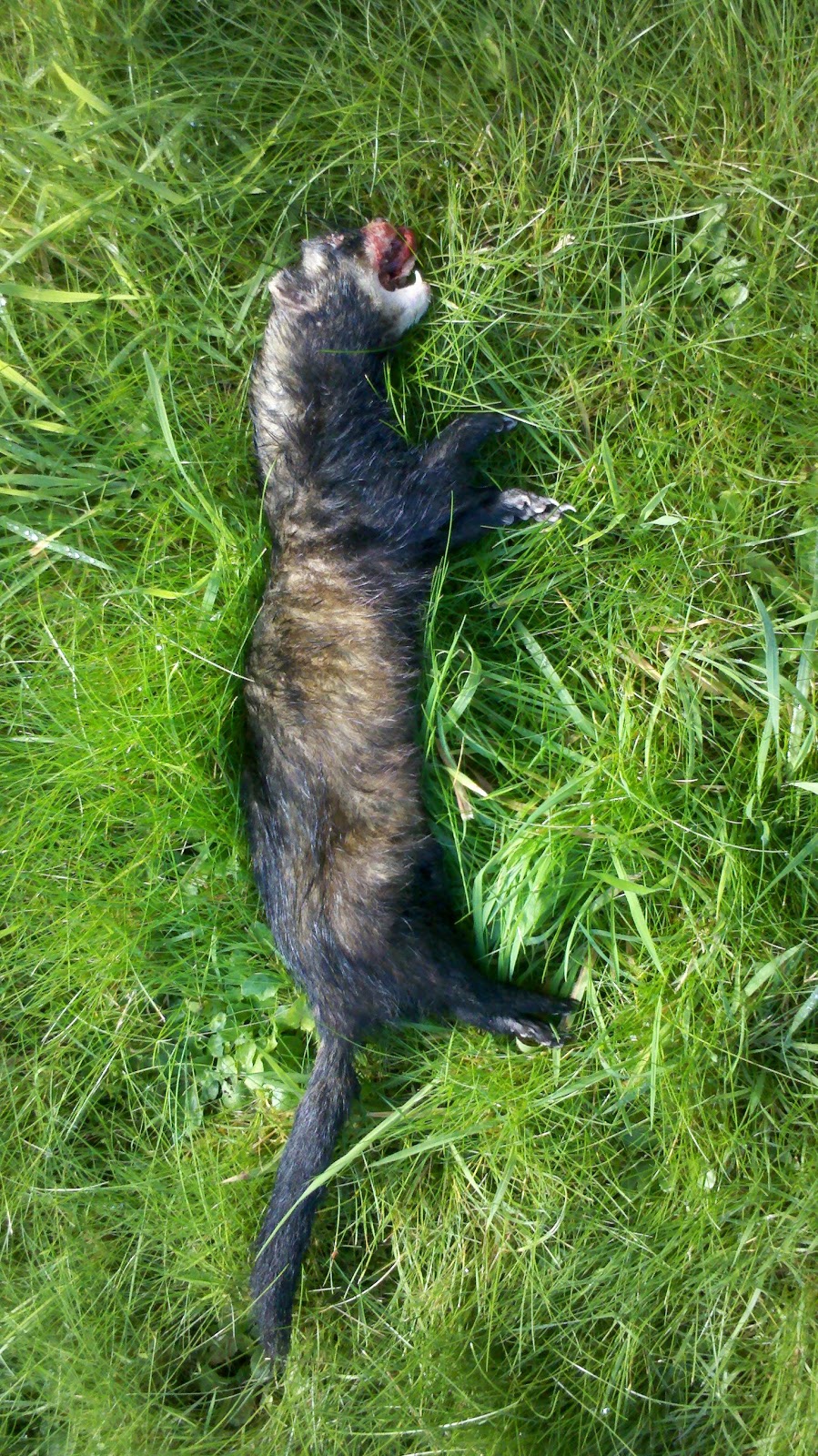
We found a dead polecat by our house, it had been run over by a car.
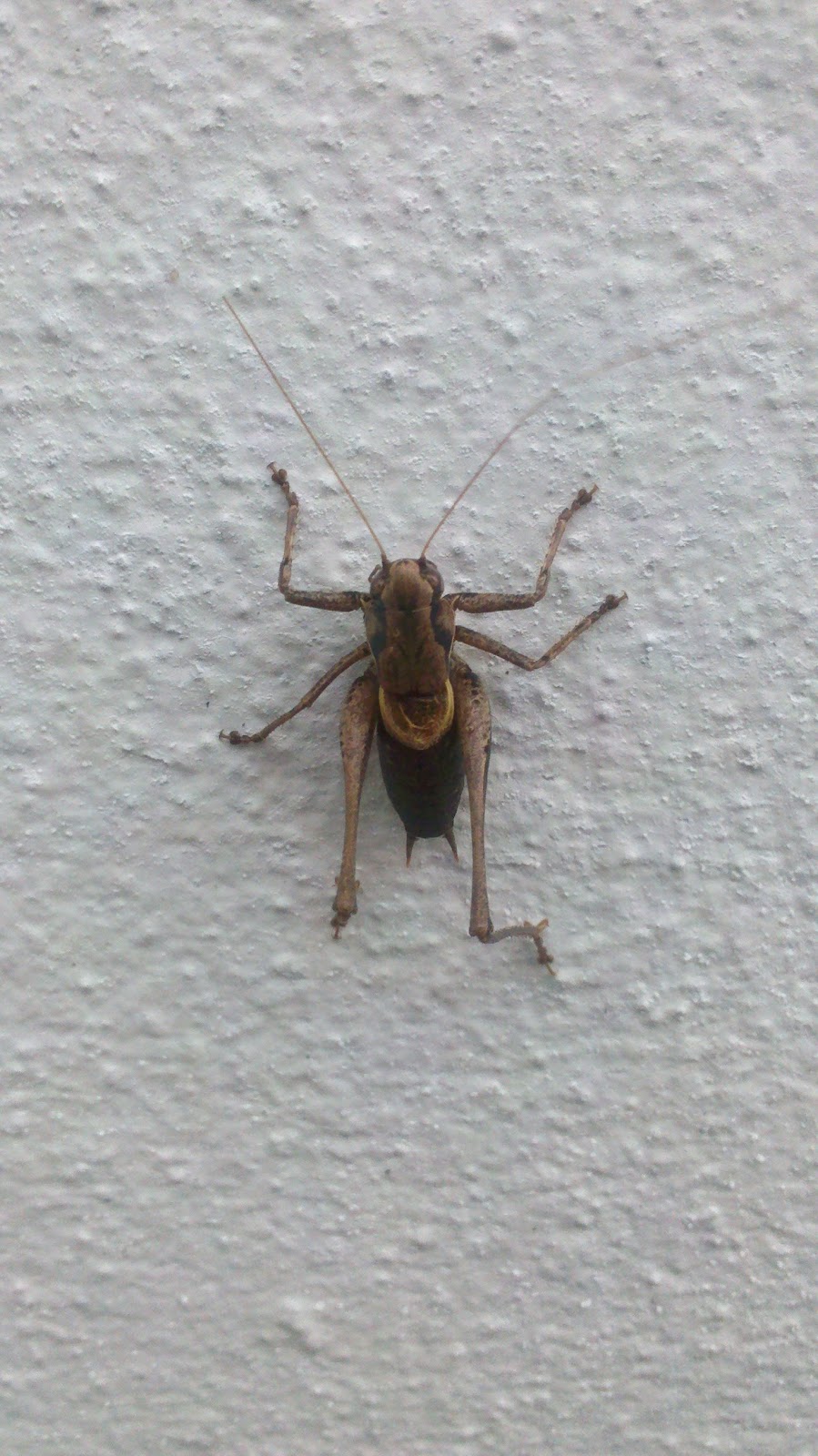
We found this Bush Cricket sitting on the wall of my grampys house, it was quite big.
We have also had lots of big spiders in the house like this one.
We went for a walk to the beach on the weekend and as we were leaving our house we spotted these on the wall.
A Moth
A Harvestman
Up on the common we found a dead shrew
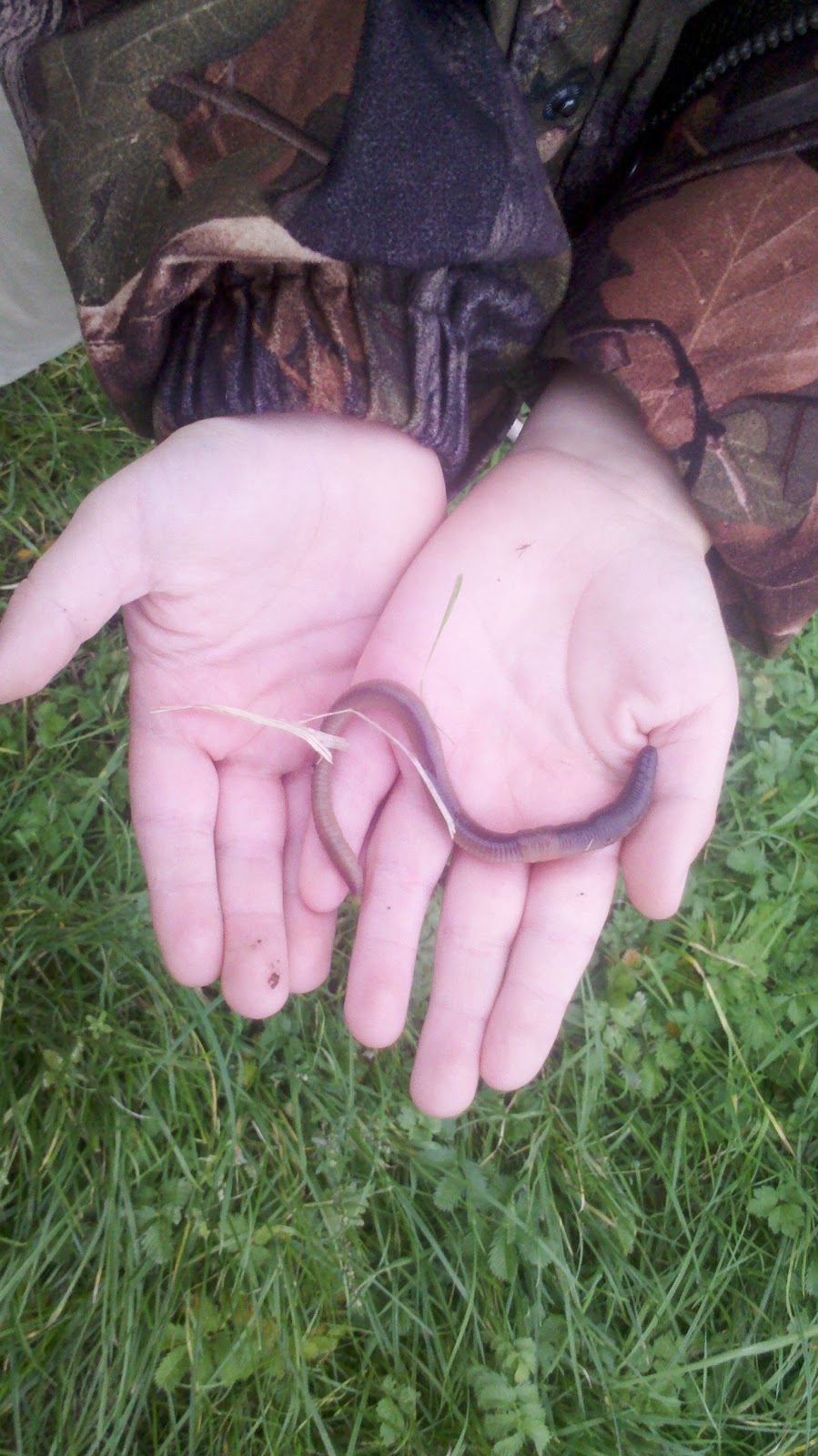
We found this worm crossing a road so i picked it up and moved it onto the grass so it wouldn't get squashed or eaten by a bird.
We spotted these sheep through a hole in a wall.
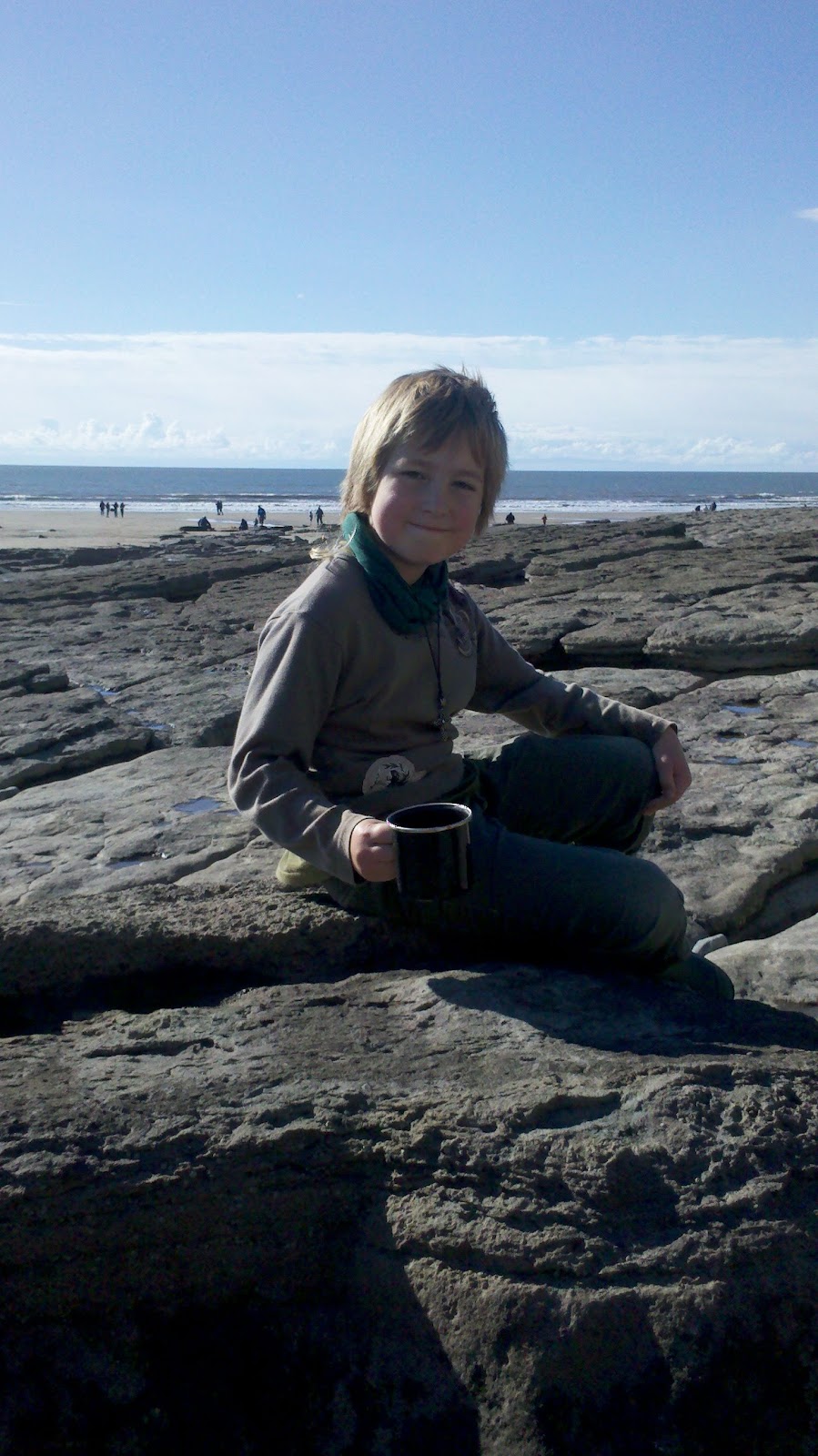
We had a break on the beach and had a cup of tomato soup and an apple for lunch.
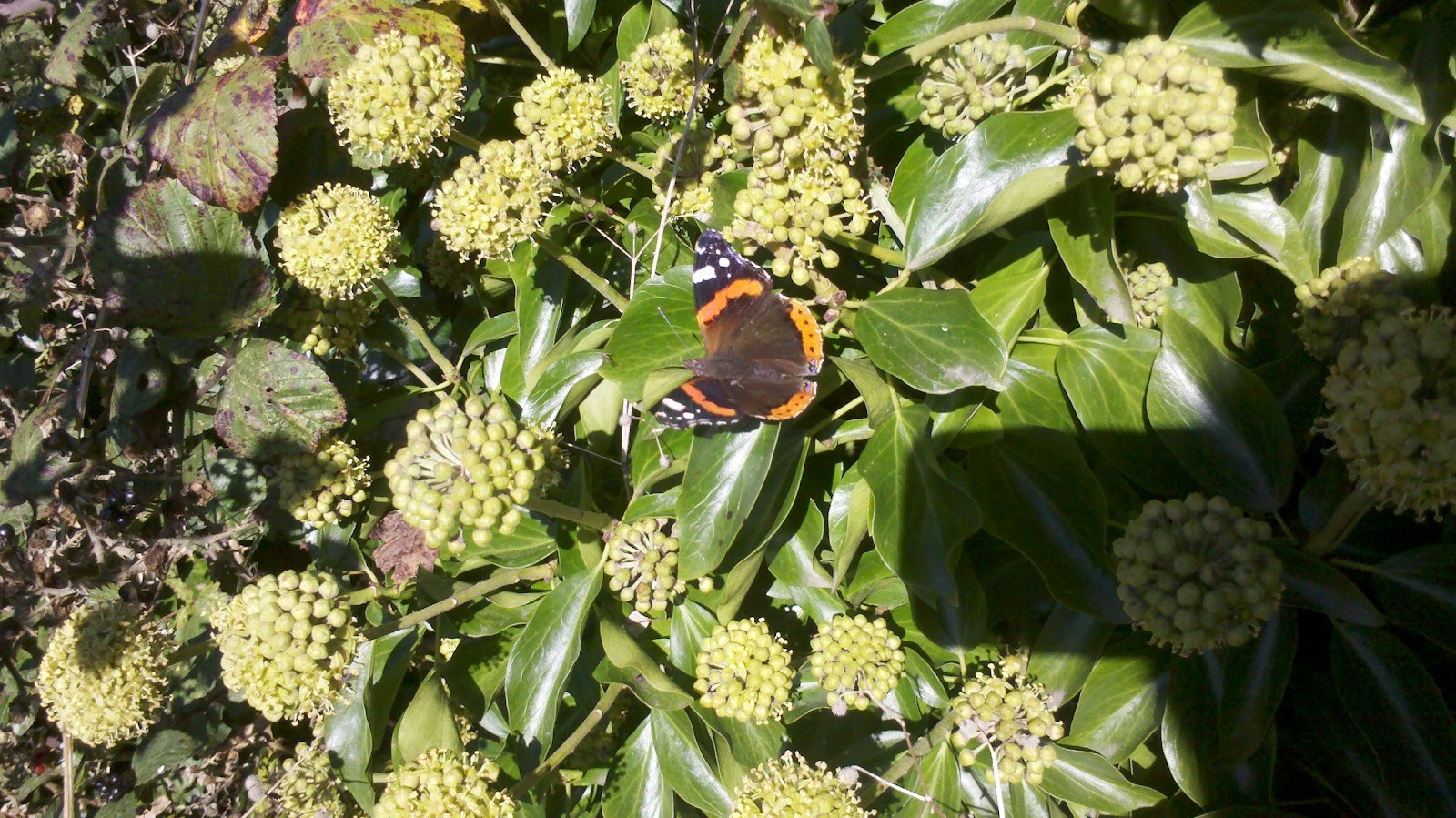
We saw this red admiral sunbathing on an ivy plant.
And this dragon fly chasing insects around.
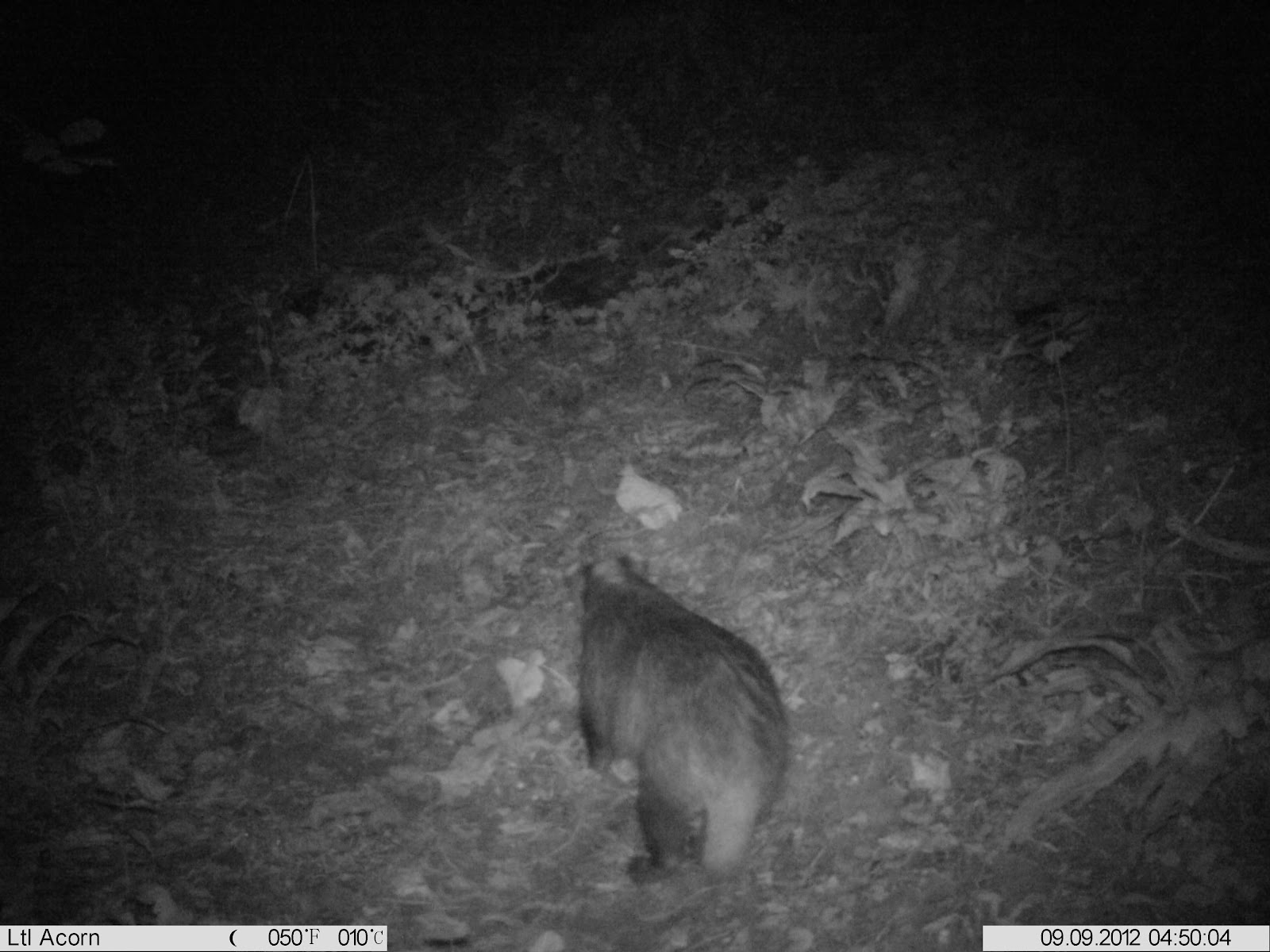
We stopped off at the Heritage Coast Centre to say hello to the stuffed badger, we call him Bloody Bill Brock after the badger in Tarka the Otter.
So, off the list are
Ferret
The Ferret is from the same family as Otters, Badgers, Stoats, Weasels, Polecats and Pine Martens. It is a domesticated animal which means it has grown to rely on Humans. It is kept by people as a pet or used for hunting rabbits where they send the ferret down the rabbit holes to scare them out.
Blackthorn (Prunus spinosa)
This is described as a shrub which is a bit like a small tree. It has really sharp spines on the stems. The fruits are called Sloes and have a really weird dry taste. My dad makes Sloe gin out of the fruits every Christmas, which he says is really nice.
Polecat (Mustela putorius)
You would be really lucky to see a live polecat. Most people never see them and if they do its like me, dead beside the road. Its mainly nocturnal and marks its territory with scent. It feeds on rabbits, rodents and birds and is a really good hunter and killer.
Earthworm (Lumbricidae)
Earthworms have segmented bodies with 8 short stiff bristles on each segment. The one in my picture is an adult earthworm, you can tell this because it has a swollen band around the middle of the body called a clitellum. In a garden lawn you can have up to 40 worms in a square metre. They are an important food source for a lot of our wildlife.
Spider (Tegenaria gigantean)
These are known as House spiders and they like to come into homes in the winter. The ones in our house are really big. You can read more about them
http://www.guardian.co.uk/environment/2012/sep/02/specieswatch-house-spiders-climate