
Out for a ramble
We went out to the river this morning. It dries up in the summer so we went to save the tadpoles, toadpoles and sticklebacks. We collected them in a bucket and moved them to deeper water.
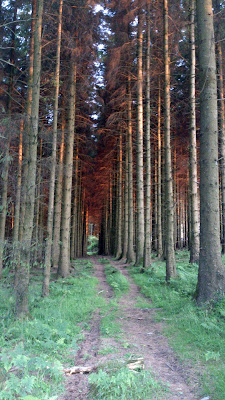
Dad took this picture of the sun shining in the pine forest.
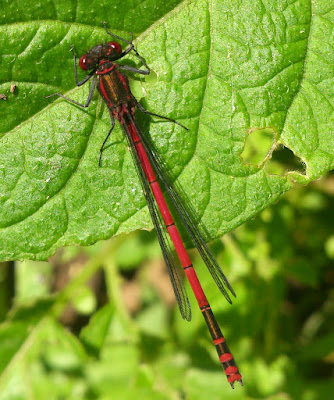
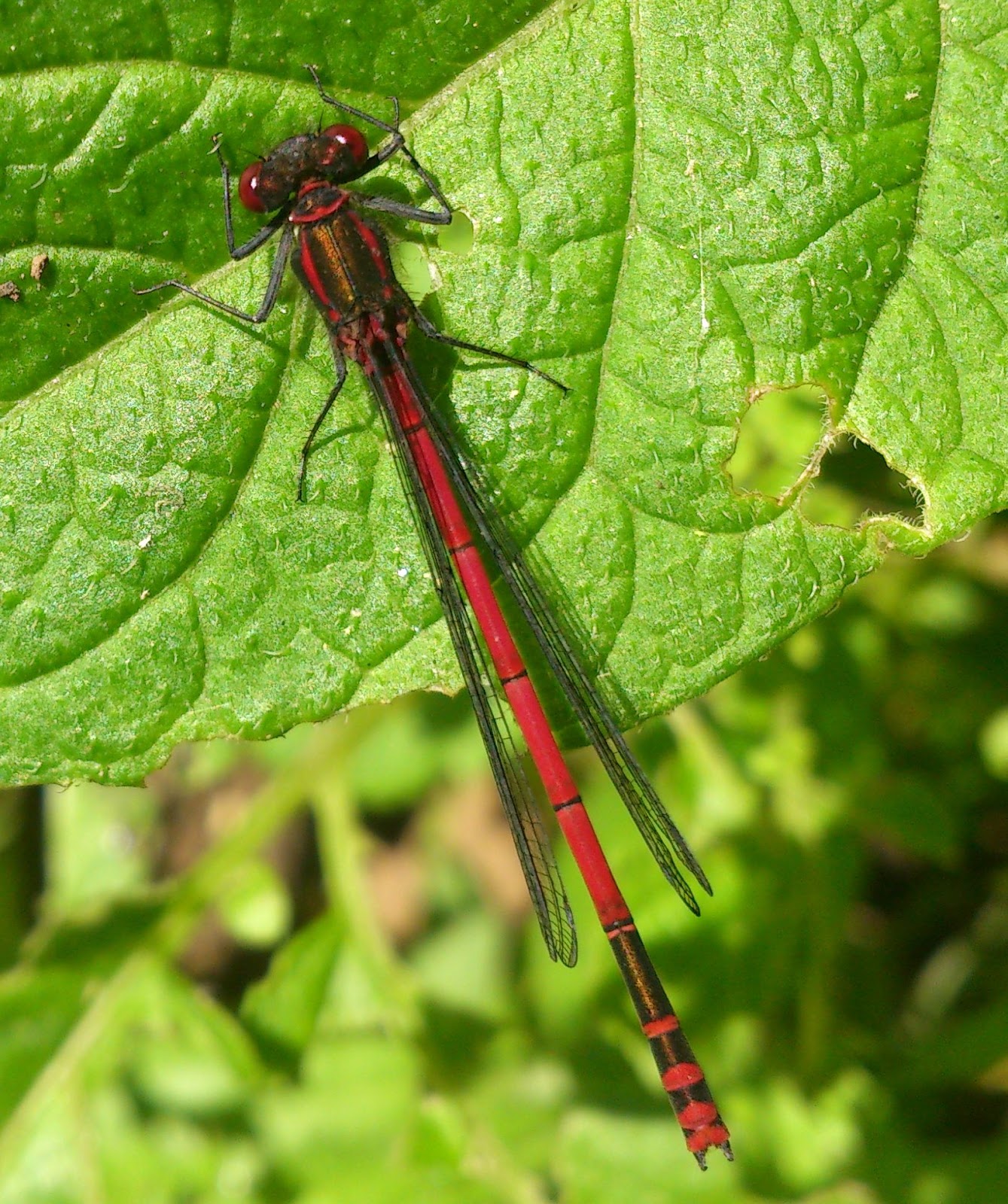
This Large Red Damselfly was sun bathing next to the pond in my garden.




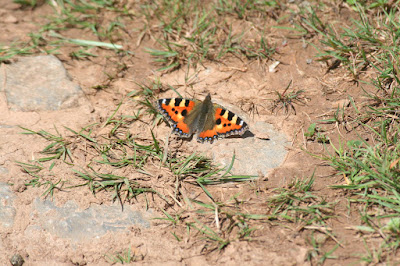
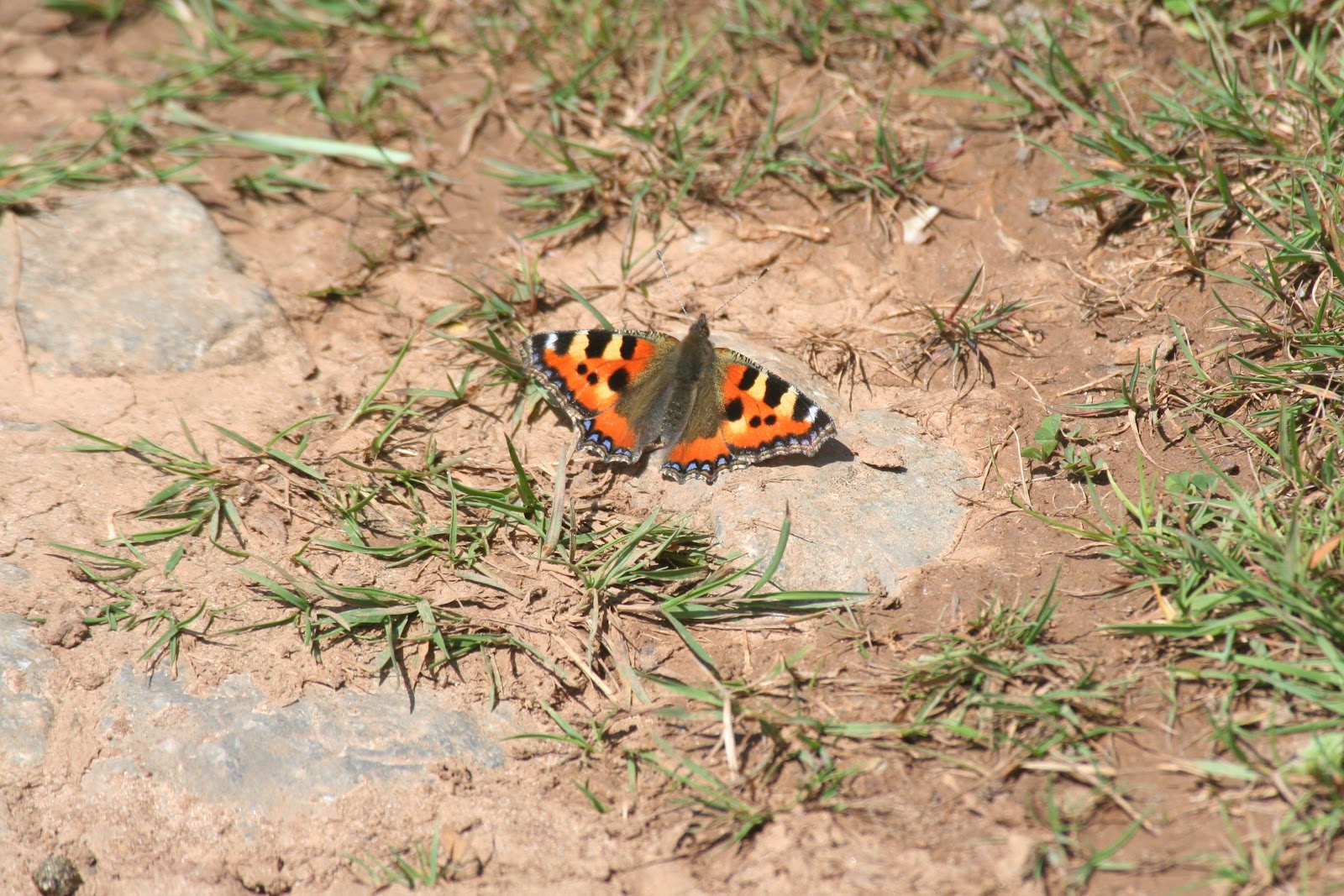
This Small Tortoiseshell butterfly


Dad took this picture of the sun shining in the pine forest.

This Large Red Damselfly was sun bathing next to the pond in my garden.

These hover flies were next to the pond too.

We found this spider down by the river, its called Tetragnatha extensa. Look at the picture closely and you can see an aphid and the spines on the stingy nettle.


My brother spotted this cool Crab Spider.

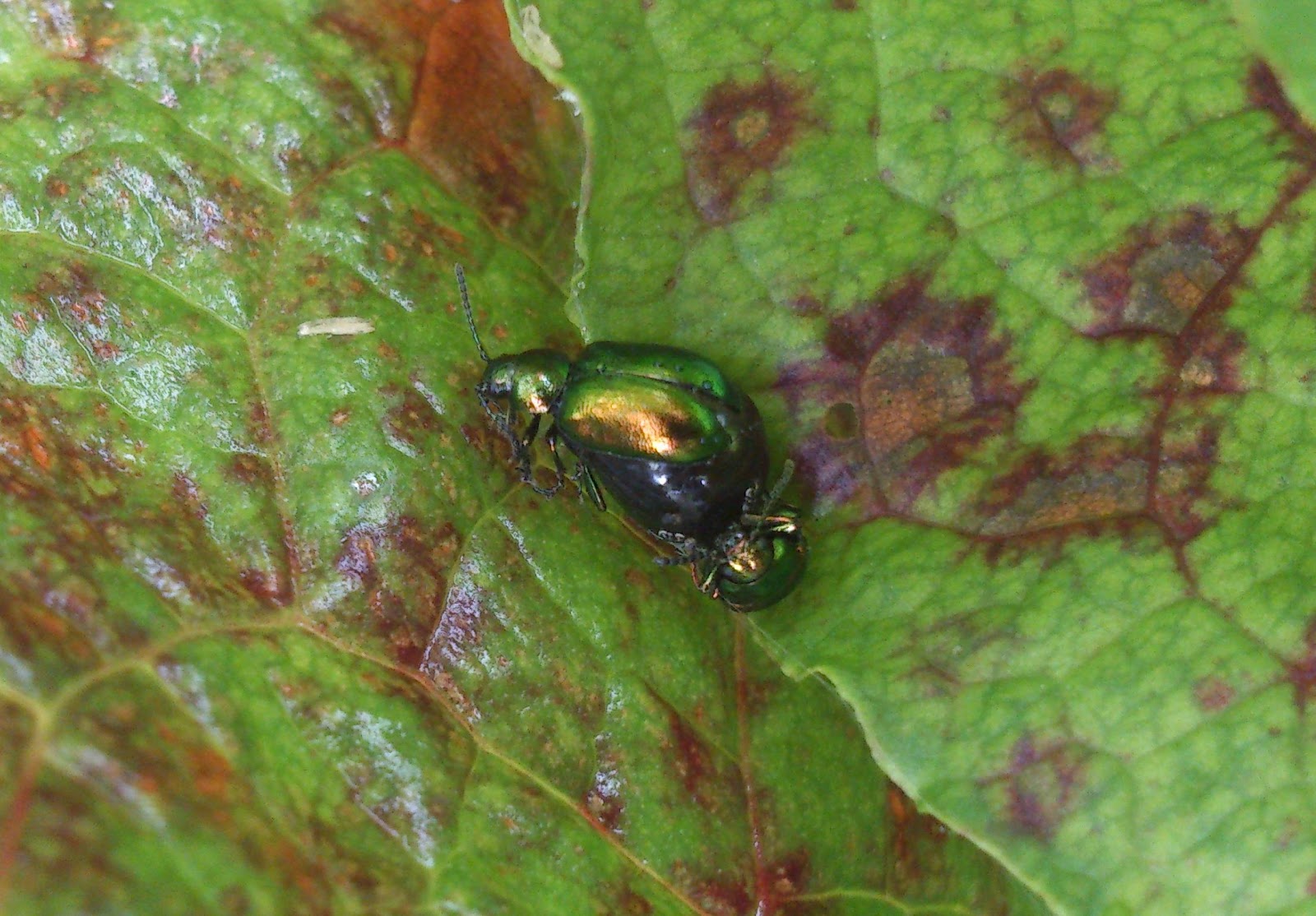
More shiny Dock Beetles

A Green Tortoise Bug

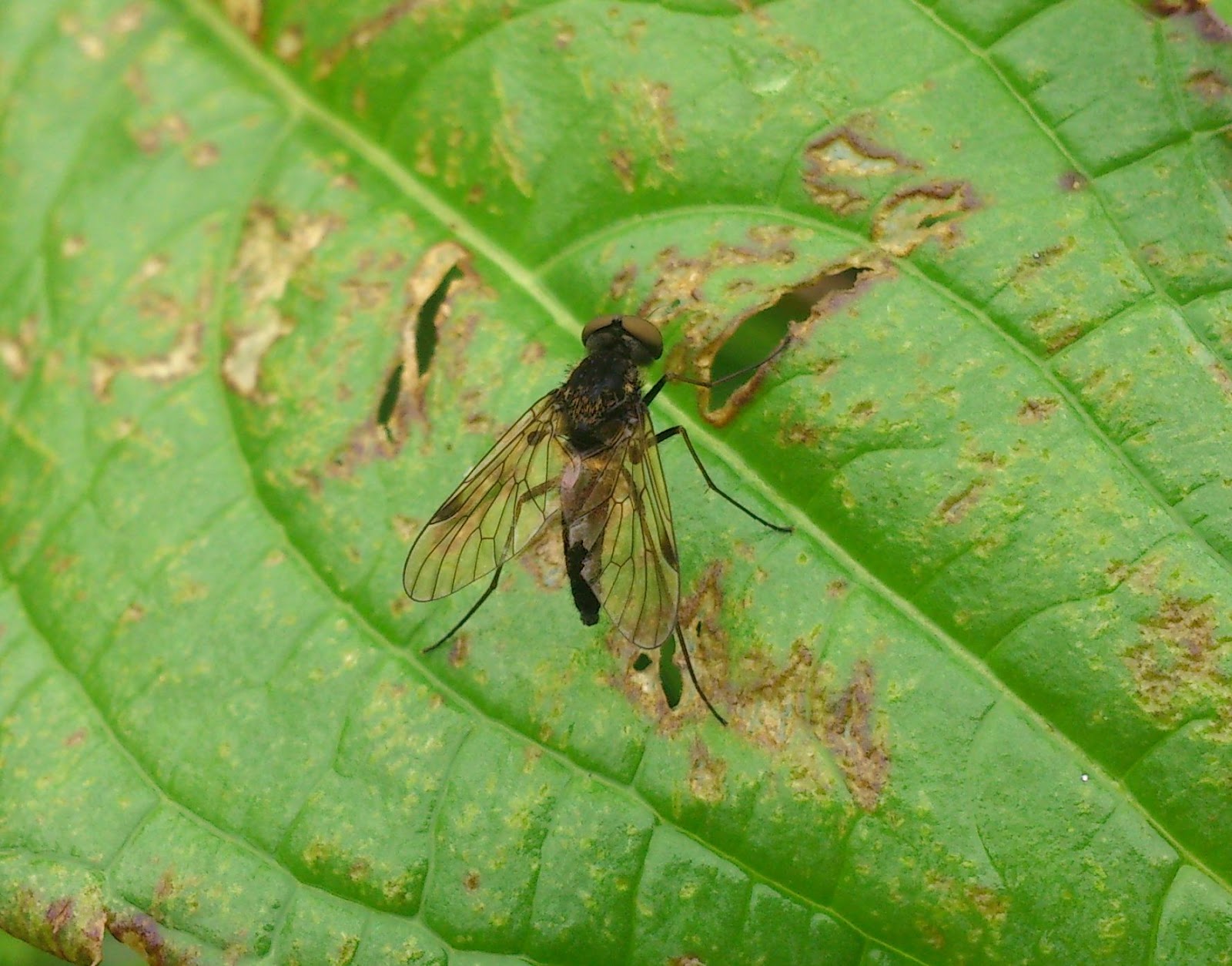
Some cool flies..

This Small Tortoiseshell butterfly
And when we were wandering around we found some wild strawberries to snack on, yes they were lush.

And in the garden compost bin something from the list was lurking....Ants, and now they are ticked off the list!

Fathers Day
We took dad to Parc Slip nature reserve and bought him a coffee for fathers day. It was raining so we had a quick walk around and managed to see a new bird which is on my list (a Sedge Warbler) and see a Reed Warbler for the first time (not on the list though). Unfortunately we didn't get a photo of them but we did film the Reed Warbler warbling with our mobile phone. We also managed to tick off 2 plants as well.


The Reed Warbler was singing away in the Reeds, its the first time i have seen one but its not on the Tarka list.
Off the list are -
Sedge Warbler (Acrocephalus schoenobaenus)
http://www.rspb.org.uk/wildlife/birdguide/name/s/sedgewarbler/index.aspx
Ragged Robin (Lychnis flos-cuculi)
This is a declining plant of damp places like marshes and wet meadows. They get the name from the raggedy petals on the flowers.
Oak (Quercus robur)
Everyone knows what an Oak Tree is and its seed the acorn but did you know that you can make a type of coffee from acorns? See http://foragedfoods.co.uk/how-to-make-acorn-coffee/
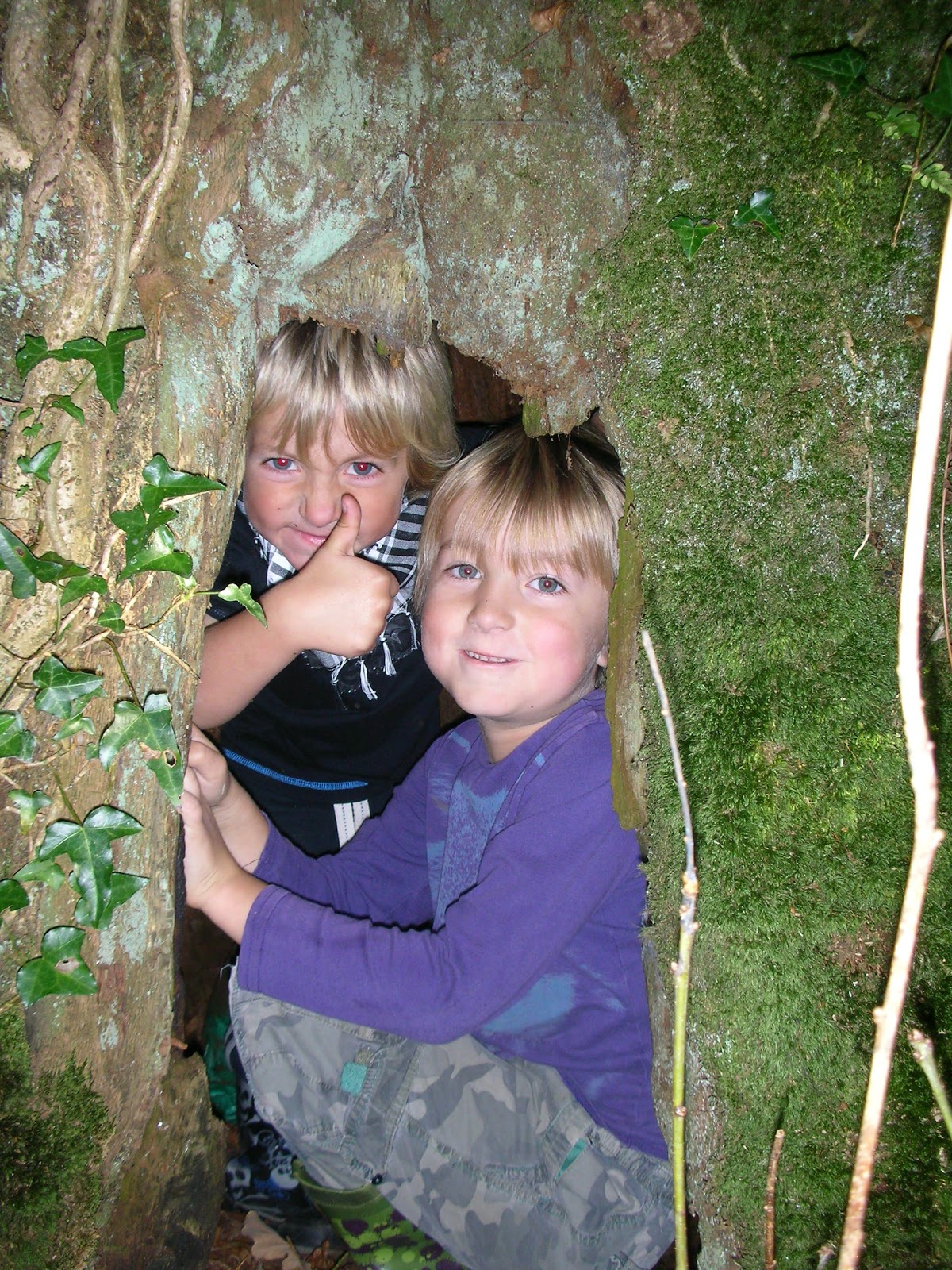
Oaks are also good for climbing. As they get older some Oaks become hollow and are good for hiding in like this one that me and my brother found -


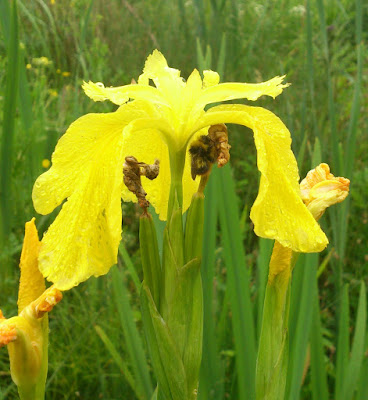
This Bumblebee was hiding from the rain under the petal of a Yellow Flag
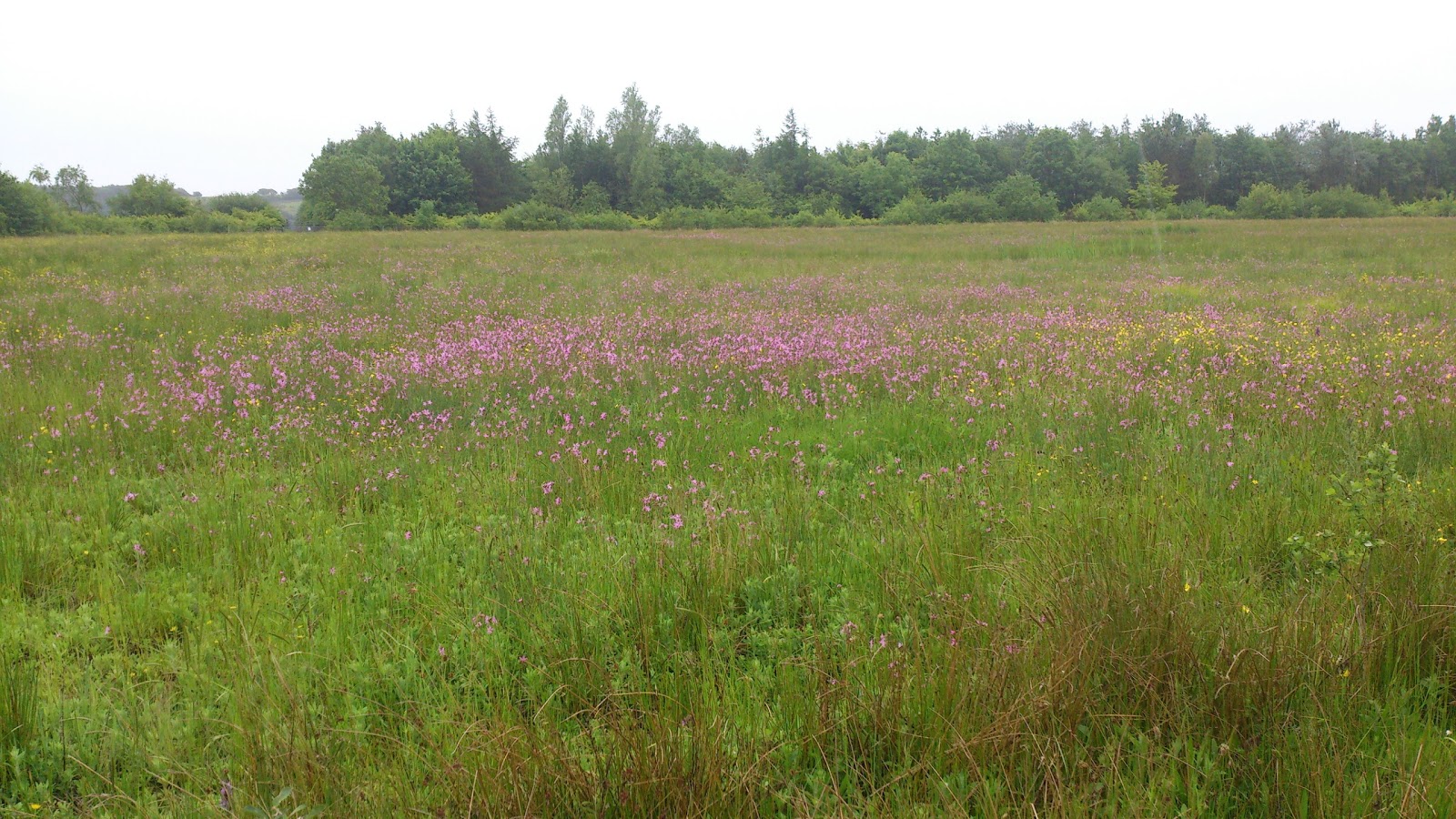
A meadow full of the purple flowers of Ragged Robin

The ragged flower of Ragged Robin

Standing in front of an small Oak Tree

Fungi
The Reed Warbler was singing away in the Reeds, its the first time i have seen one but its not on the Tarka list.
Off the list are -
Sedge Warbler (Acrocephalus schoenobaenus)
http://www.rspb.org.uk/wildlife/birdguide/name/s/sedgewarbler/index.aspx
Ragged Robin (Lychnis flos-cuculi)
This is a declining plant of damp places like marshes and wet meadows. They get the name from the raggedy petals on the flowers.
Oak (Quercus robur)
Everyone knows what an Oak Tree is and its seed the acorn but did you know that you can make a type of coffee from acorns? See http://foragedfoods.co.uk/how-to-make-acorn-coffee/
Oaks are also good for climbing. As they get older some Oaks become hollow and are good for hiding in like this one that me and my brother found -
Wildlife Trust Group Field trip
We went on a field trip yesterday with the Wildlife Trust to a farm in West Wales. We had a bird spotting competition on the way in the car and managed to spot 20 different species. We had a really good day out and saw some very interesting things. It was fun eating our lunch in a barn on a bale of hay.





The sheep didn't mind the rain

We had fun catching grasshoppers
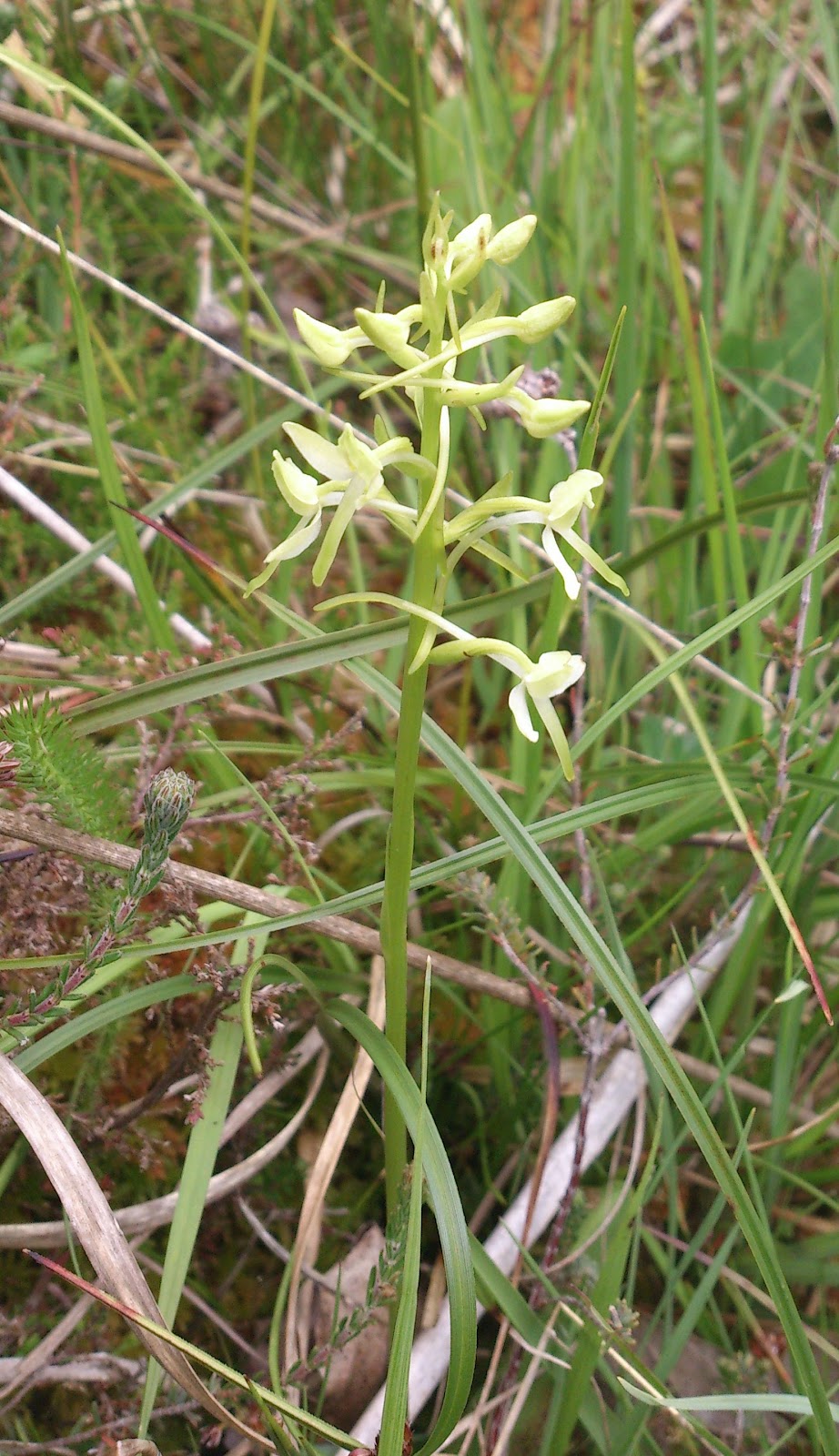
This is a Butterfly Orchid which is a rare plant
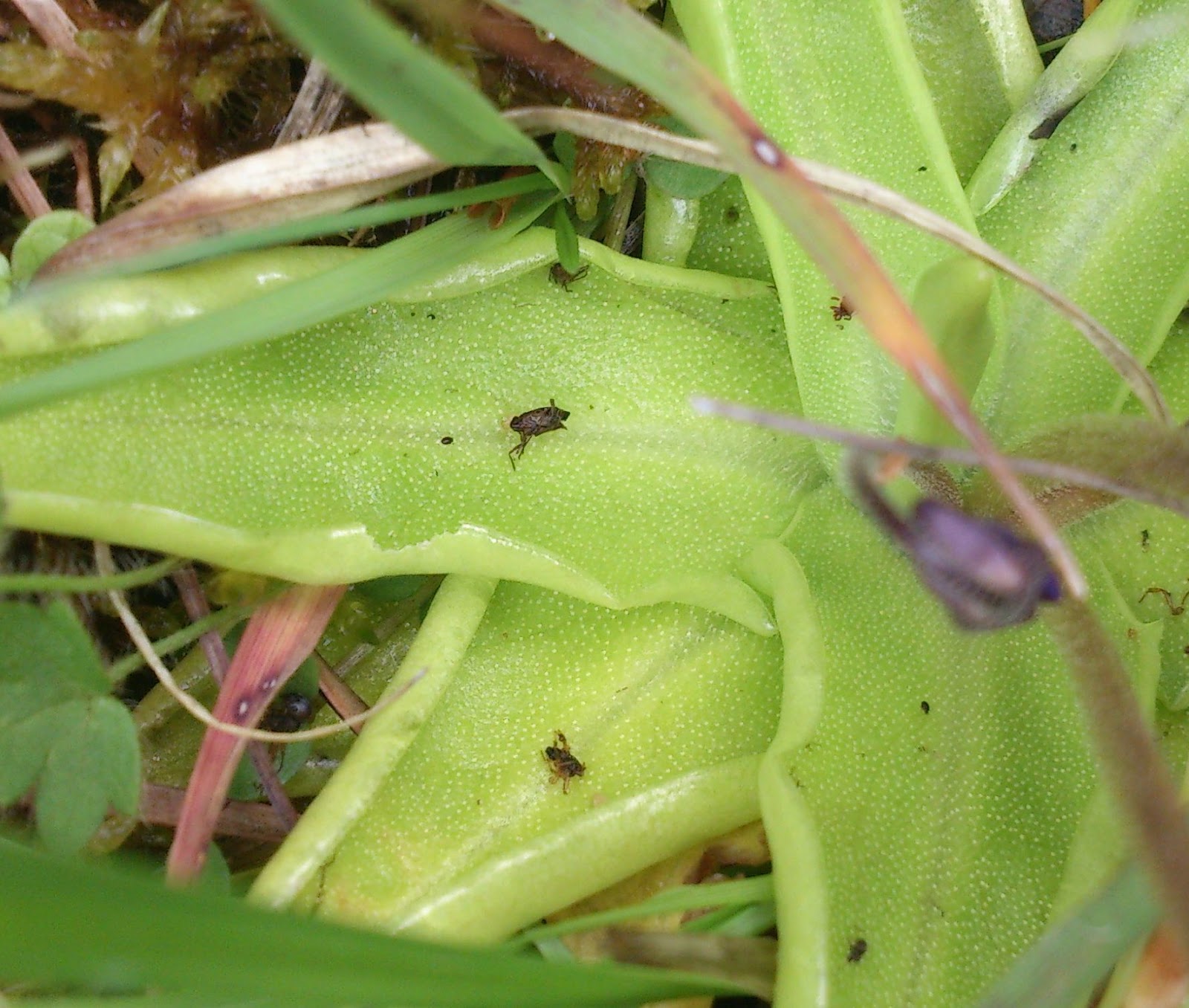
We have seen this plant before, its Butterwort which traps insects and feeds off them like a venus fly trap. If you look closely you can see its victims stuck to the leaf.

A nestbox with 11 baby blue tits about to fledge

An Azure Dragonfly sheltering from the rain

Chrysalis of a Burnet Moth

Caterpiller of a Burnet Moth

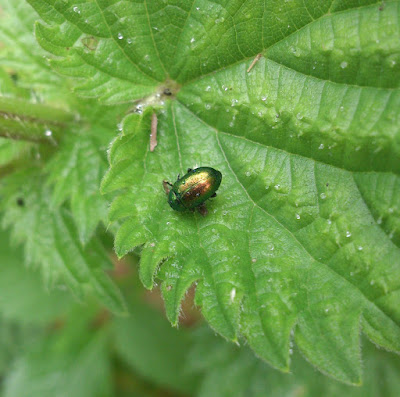
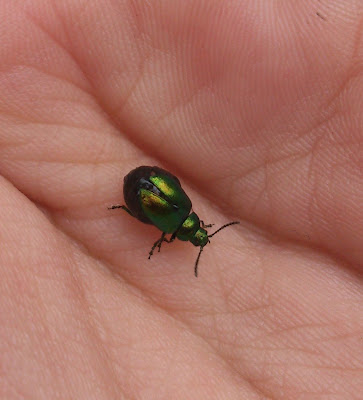
This cool beetle looks like a jewel and is called Gastrophysa viridula, its a leaf beetle.
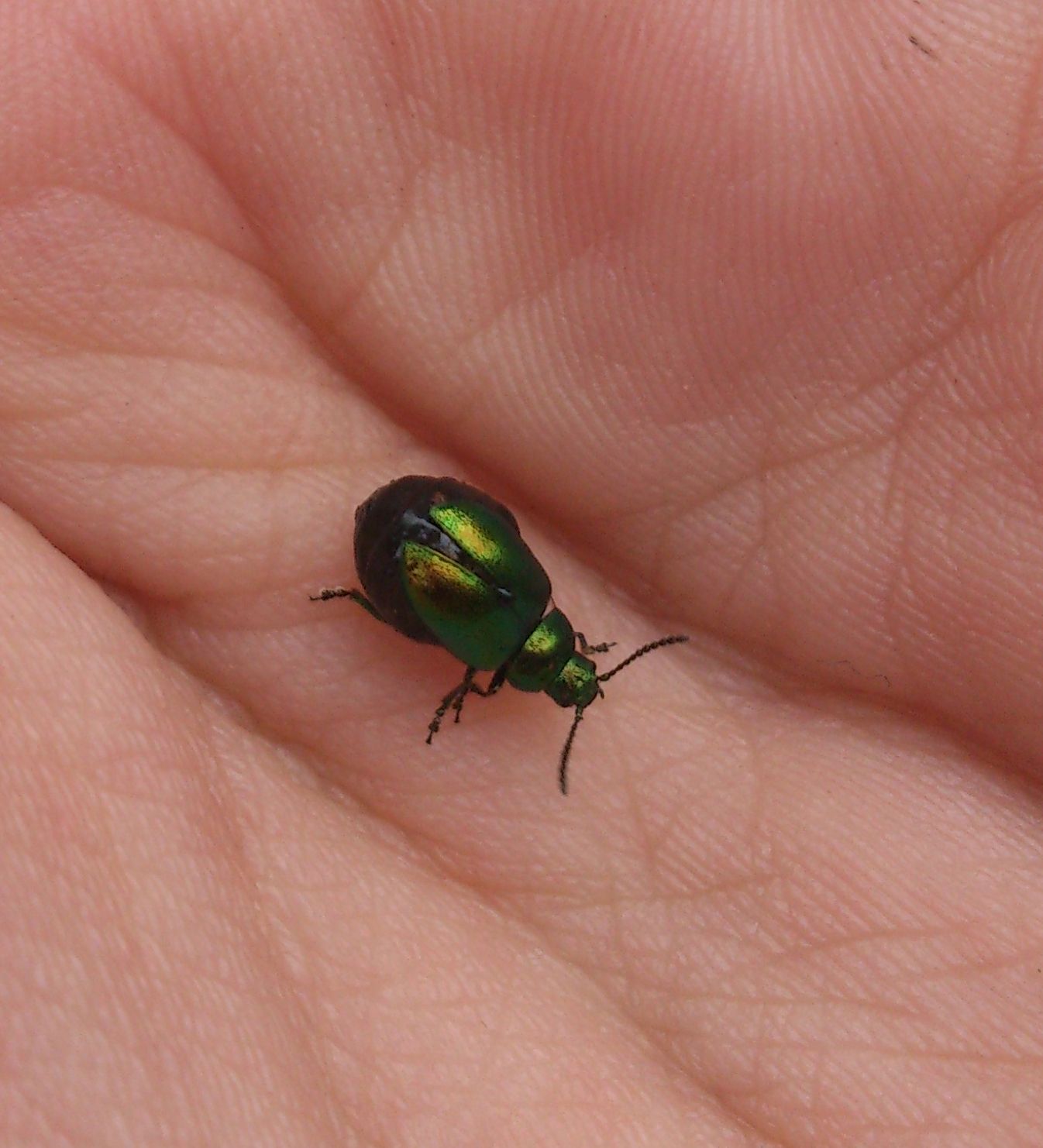
You can tell its a female because its abdomen is swollen with eggs.
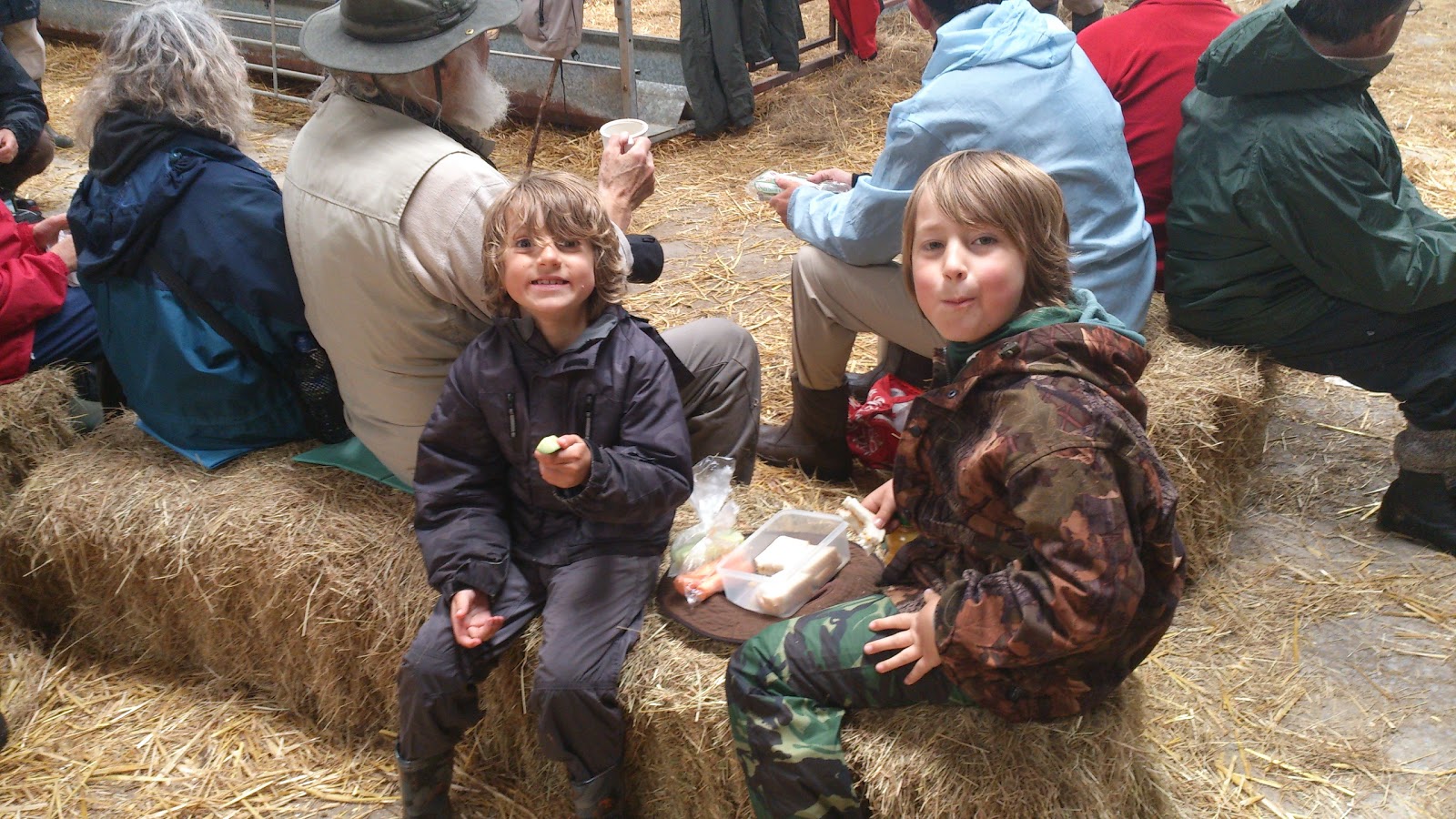
Tuna sarnies in the Barn

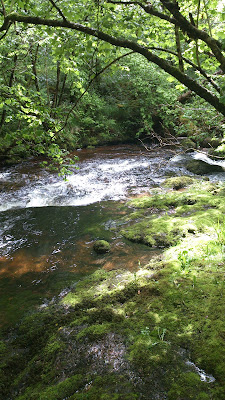
The farm had some lovely woods with a river running through it.

Mossy banks in the river gorge.
And some things are hard to see
If you have been reading my blog for a while you will remember that last year i tried to see a Nightjar but didn't succeed. Sometimes to see things is easy, sometimes you need to be lucky and sometimes you might need more than luck, you might need help. But who can help you?
There are lots of groups out there with people who know loads of stuff. They can show you and teach you. Try your local nature reserve or join your local Wildlife Trust and then you can meet these people.
Late last night i ticked off a biggy from my list, a Nightjar. We went out on a trip with The Glamorgan Bird Club and even though it was cold and wet they managed to show me a Nightjar (thanks for your help GBC). I was surprised how big it was but unfortunately i didn't get to here it calling.
I was tired for school this morning though because i didn't get to bed until midnight. We had to walk up a mountain and into forestry to see it, it was quite scary walking back in the dark. We couldn't take photos for you because it was dark, if you want to know more about Nightjars look here -
http://www.wildlifetrusts.org/species/nightjar
http://www.rspb.org.uk/wildlife/birdguide/name/n/nightjar/index.aspx
Nightjars are on my list of the 20 most difficult things to see so I'm really pleased i can tick them off -
Nightjar (Caprimulgus europaeus)
Nightjars are crepuscular which means they are active at dusk and dawn. They are really well camouflaged so are very difficult to see in the day. They are really strange birds and you should definitely get out there and see one.
And if you like birds, join your local bird club.
There are lots of groups out there with people who know loads of stuff. They can show you and teach you. Try your local nature reserve or join your local Wildlife Trust and then you can meet these people.
Late last night i ticked off a biggy from my list, a Nightjar. We went out on a trip with The Glamorgan Bird Club and even though it was cold and wet they managed to show me a Nightjar (thanks for your help GBC). I was surprised how big it was but unfortunately i didn't get to here it calling.
I was tired for school this morning though because i didn't get to bed until midnight. We had to walk up a mountain and into forestry to see it, it was quite scary walking back in the dark. We couldn't take photos for you because it was dark, if you want to know more about Nightjars look here -
http://www.wildlifetrusts.org/species/nightjar
http://www.rspb.org.uk/wildlife/birdguide/name/n/nightjar/index.aspx

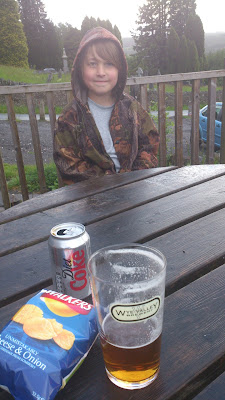
Having some refreshments before the walk

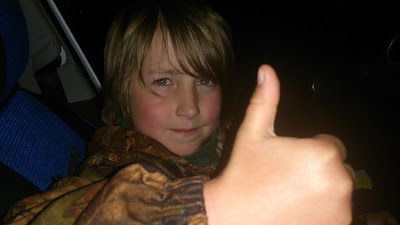
Safely back in the car after viewing my first Nightjar
Nightjars are on my list of the 20 most difficult things to see so I'm really pleased i can tick them off -
Nightjar (Caprimulgus europaeus)
Nightjars are crepuscular which means they are active at dusk and dawn. They are really well camouflaged so are very difficult to see in the day. They are really strange birds and you should definitely get out there and see one.
And if you like birds, join your local bird club.
Subscribe to:
Comments (Atom)